What ages is Hoshiland for?
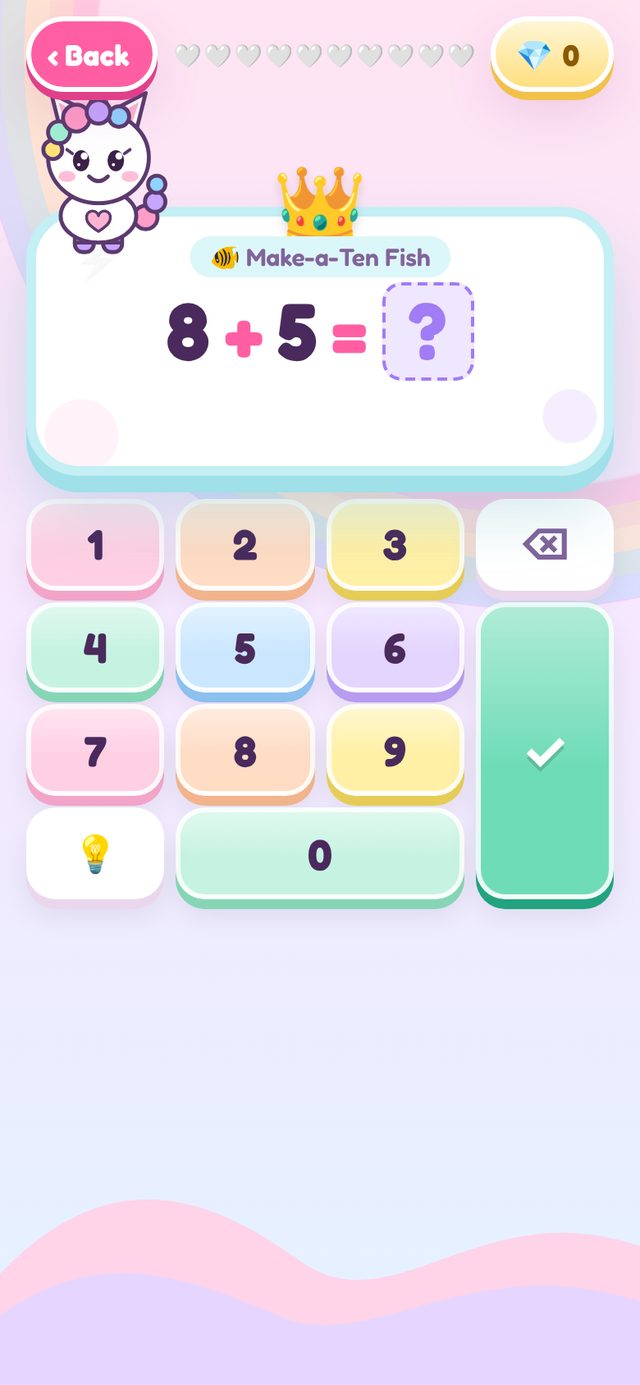
Pre-K to 5th grade. Preschoolers start in Toyland (counting, shapes, patterns, all read aloud). Older kids work up through addition, subtraction, times tables, division, fractions, and decimals, and from 4th grade there's Reading, Science, and Geography too.
What do we need to play?
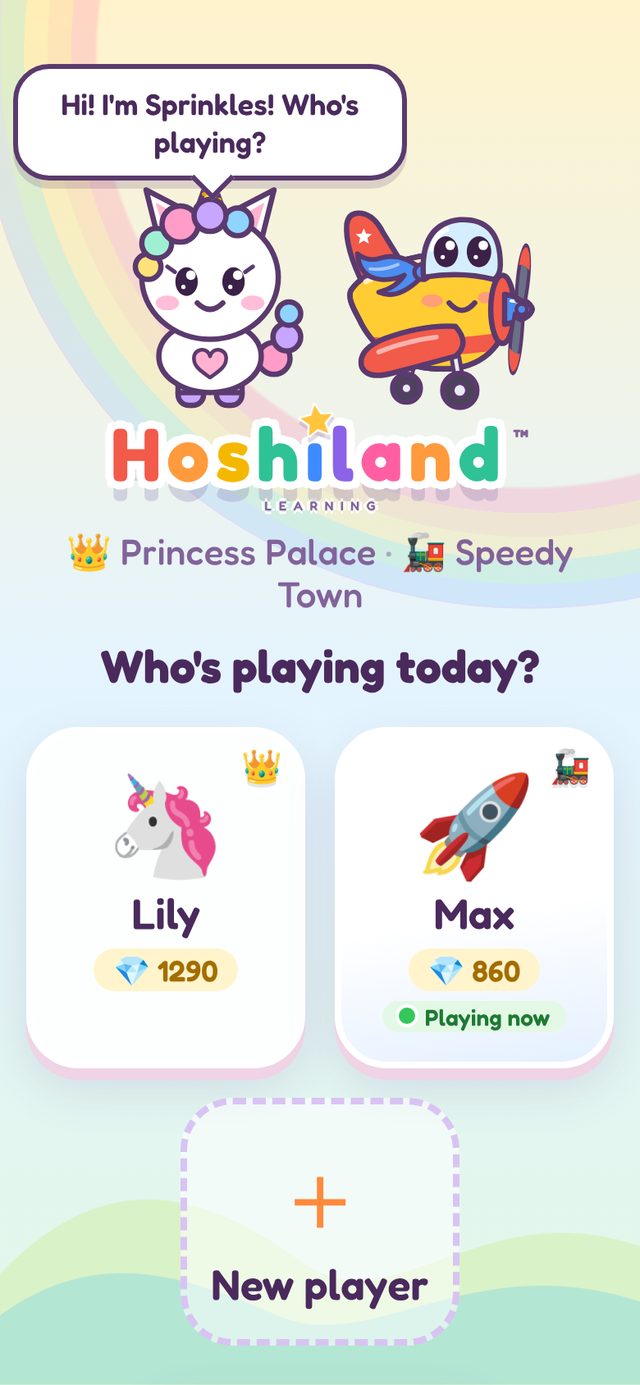
Just a web browser on an iPad, tablet, phone, or computer. On an iPad, tap Share → Add to Home Screen and it opens full screen like an app. There's nothing to download. A grown-up signs in with Google once on each device, and after that kids just tap their player.
Where is my child's progress saved?
In your grown-up account, so it's the same on every device you sign in on, with a copy on the device so it keeps working offline. Players are saved by first name only. Used a Castle Key before? Sign in on that device and its players move into your account by themselves. See our privacy policy.
Does my child need to read?
Not for the early worlds. Questions are spoken aloud, and Toyland's answers are big pictures to tap.
Can they just tap around to get gems?
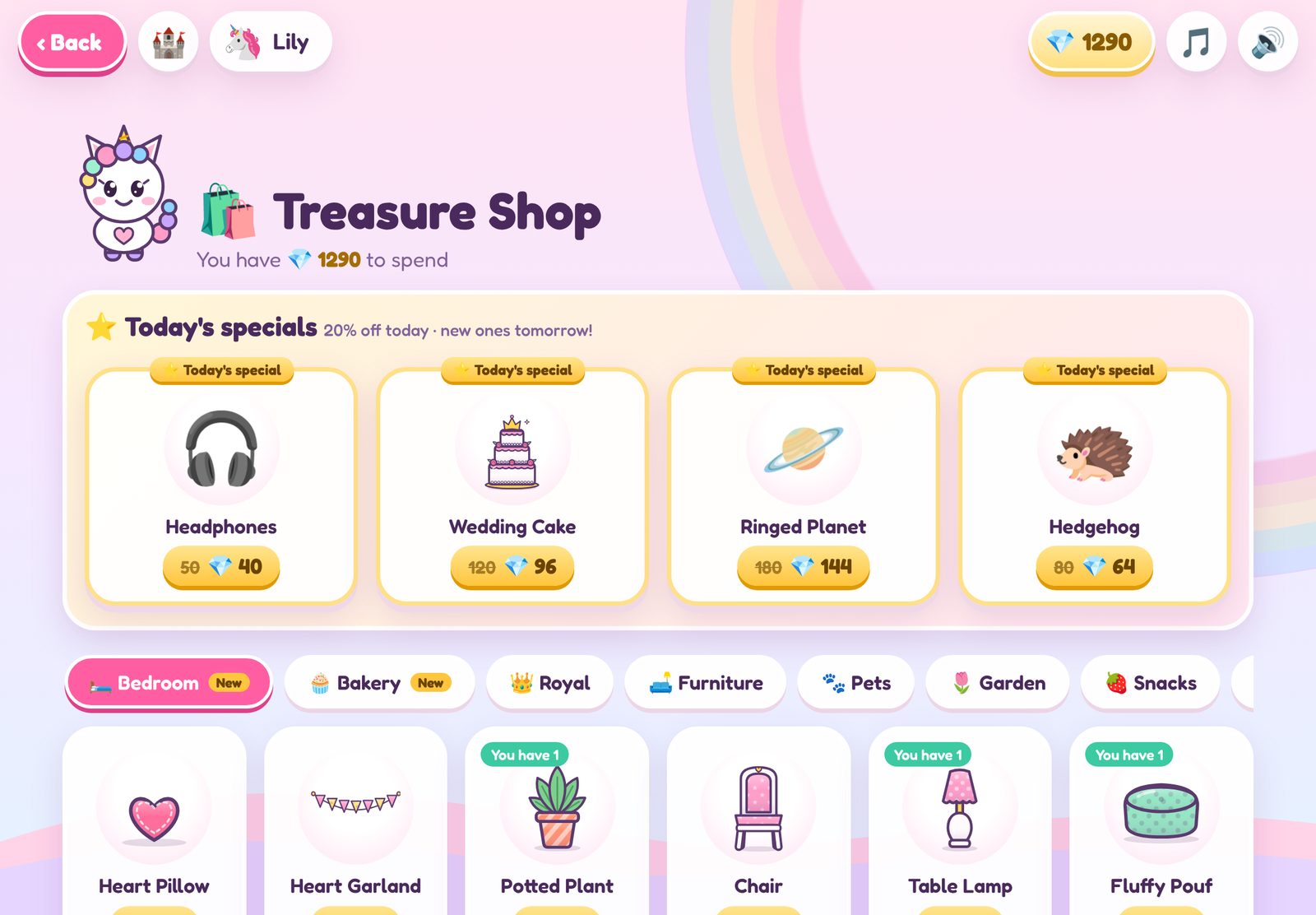
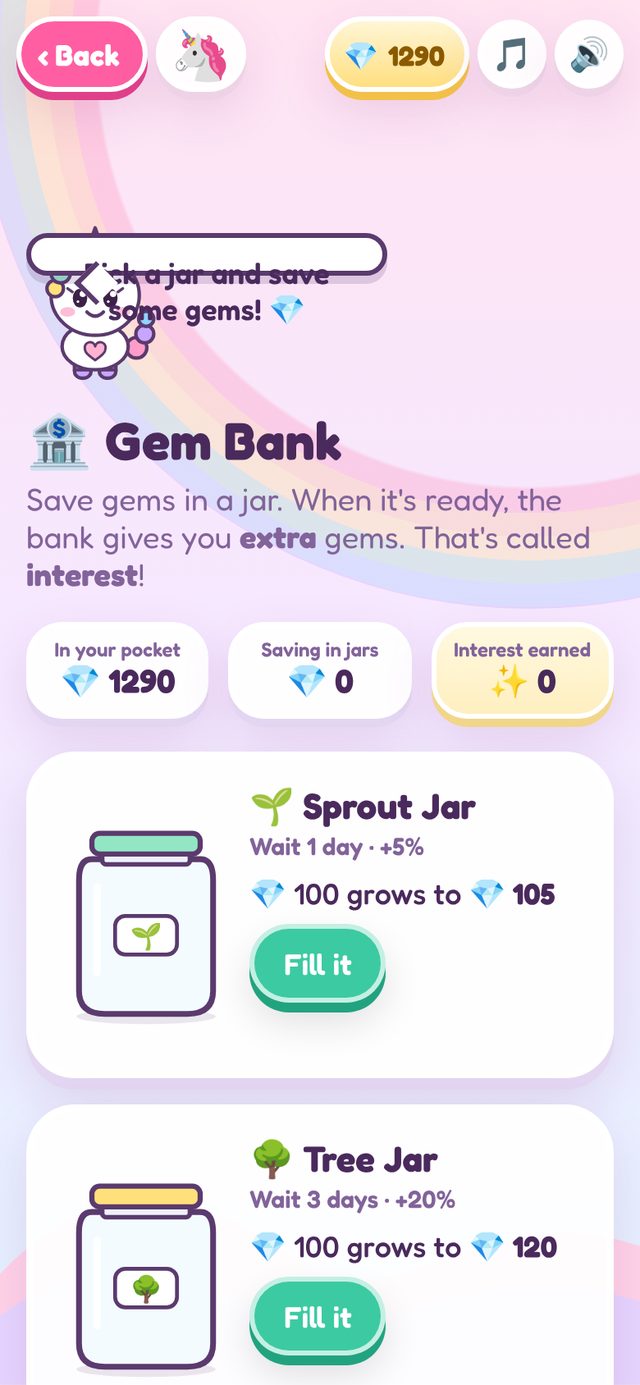
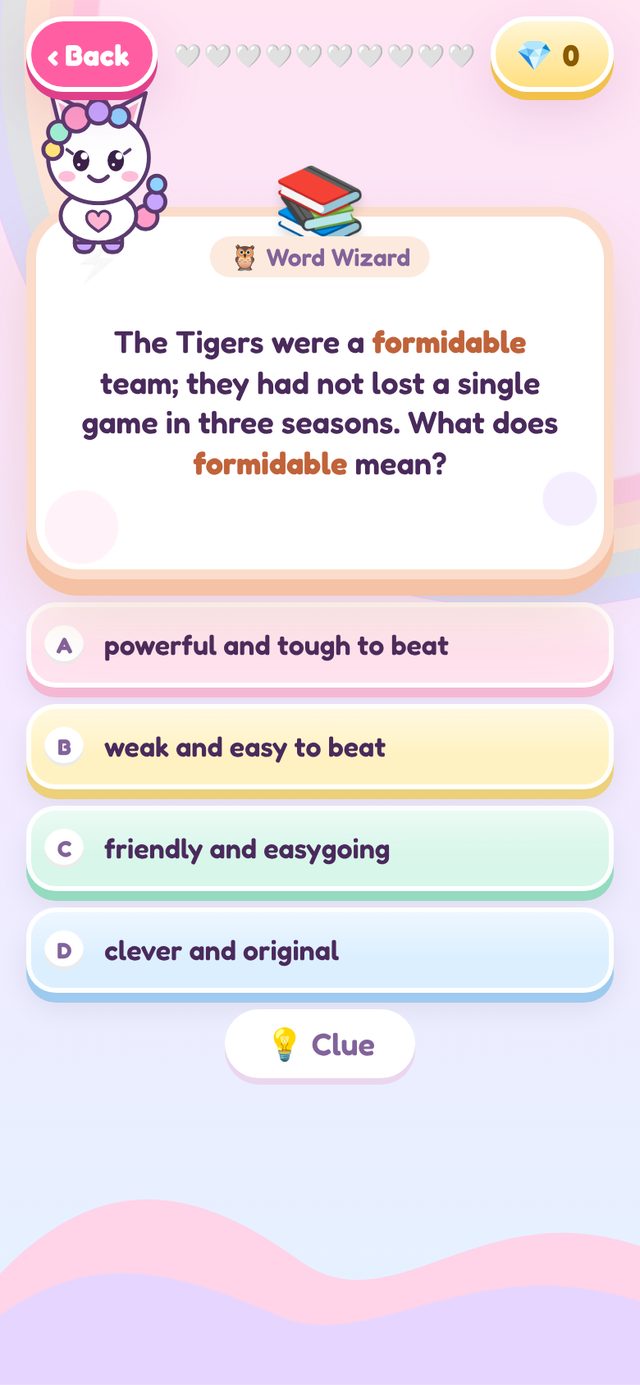
No. Gems only come from right answers, and the help after a miss shows the math before moving on. Spaced review brings back the facts they're shaky on.
Is the princess world just for girls?
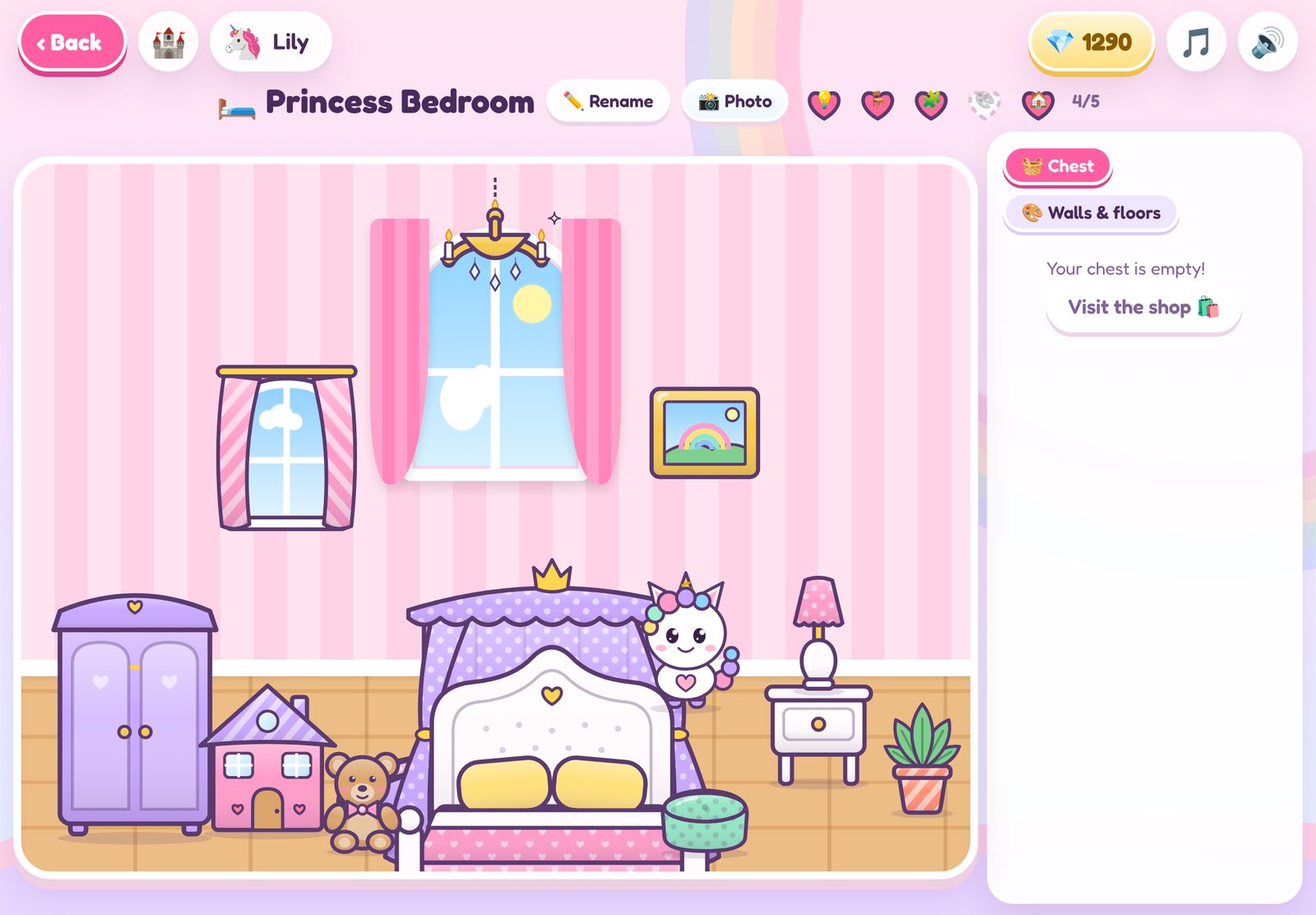
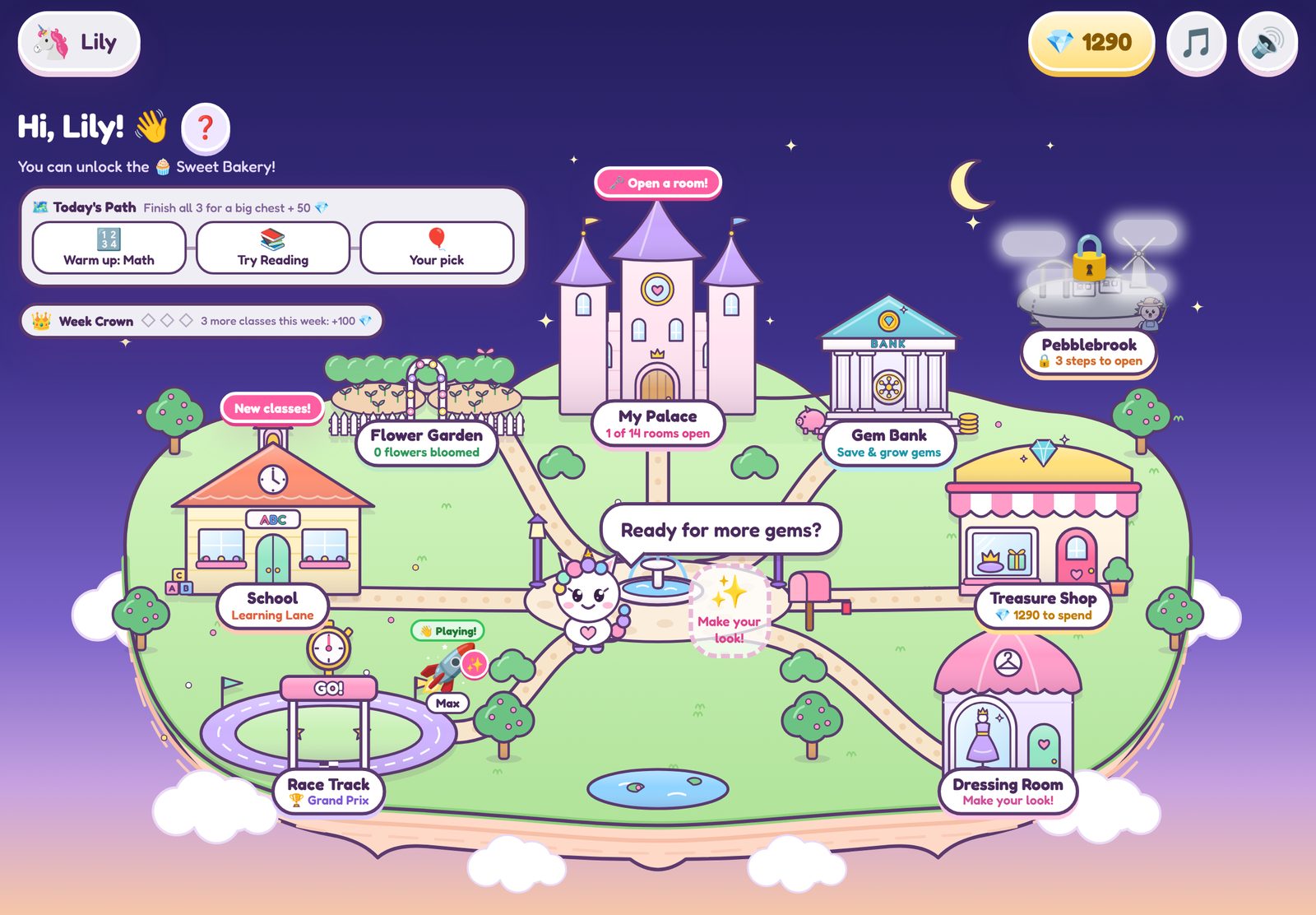
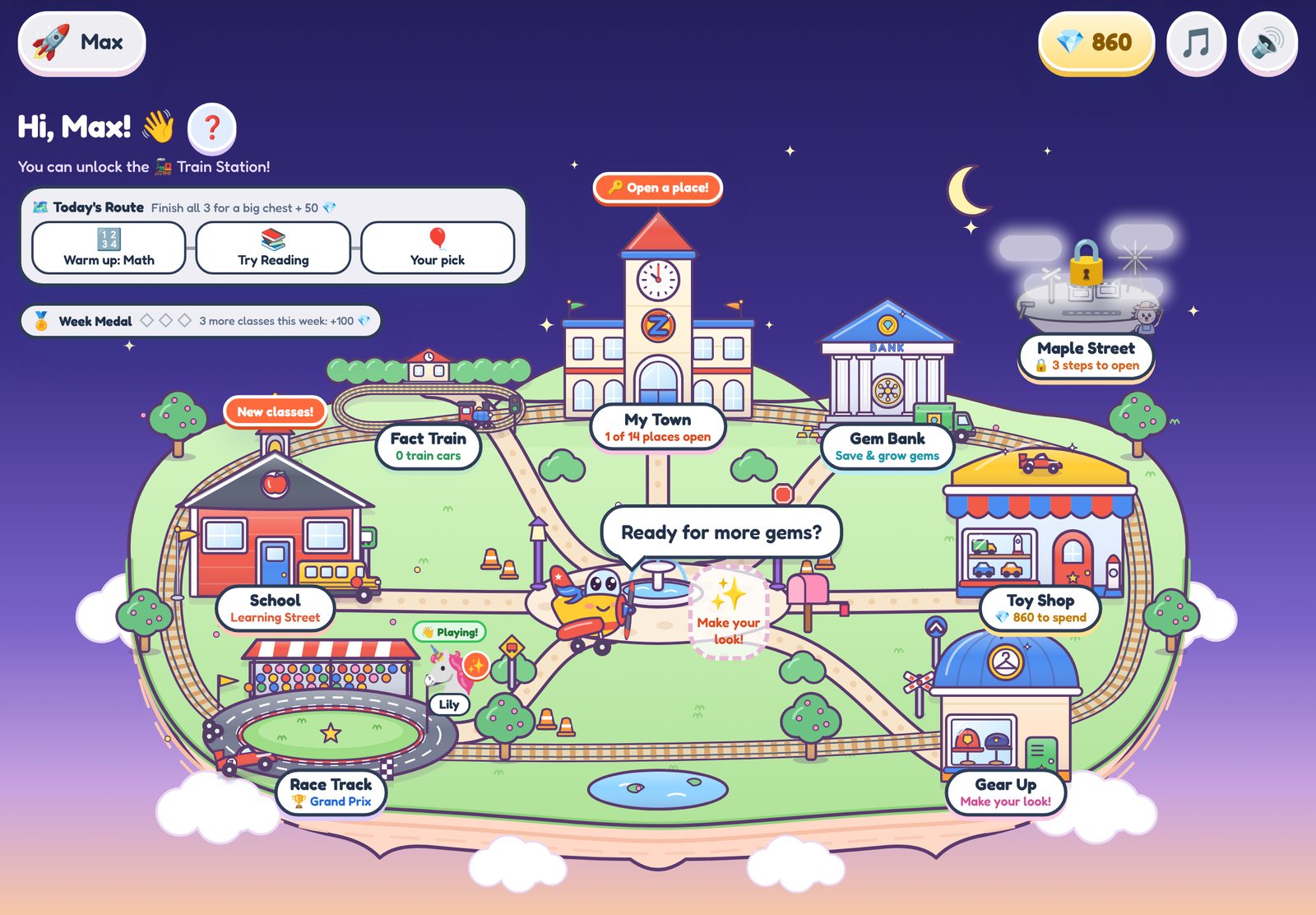
It's for anyone who likes unicorns. Every child chooses their own world, the Palace or Speedy Town, and the math is exactly the same in both.
How much does it cost?
Every family gets a 3-day free trial with no credit card. After that, a grown-up picks a plan (Single Learner or Family). Kids never see a price — they see “Ask a grown-up 🔒”. There are no ads, and gems are never sold. Subscriptions on iPad use the App Store. On this website, a grown-up can subscribe to Single Learner or Family. The same signed-in account unlocks the plan in the app. Schools and co-ops buy School Family codes in bulk (invoiced); a grown-up types the school code in the app. Co-op and challenge discounts are Apple Offer Codes.
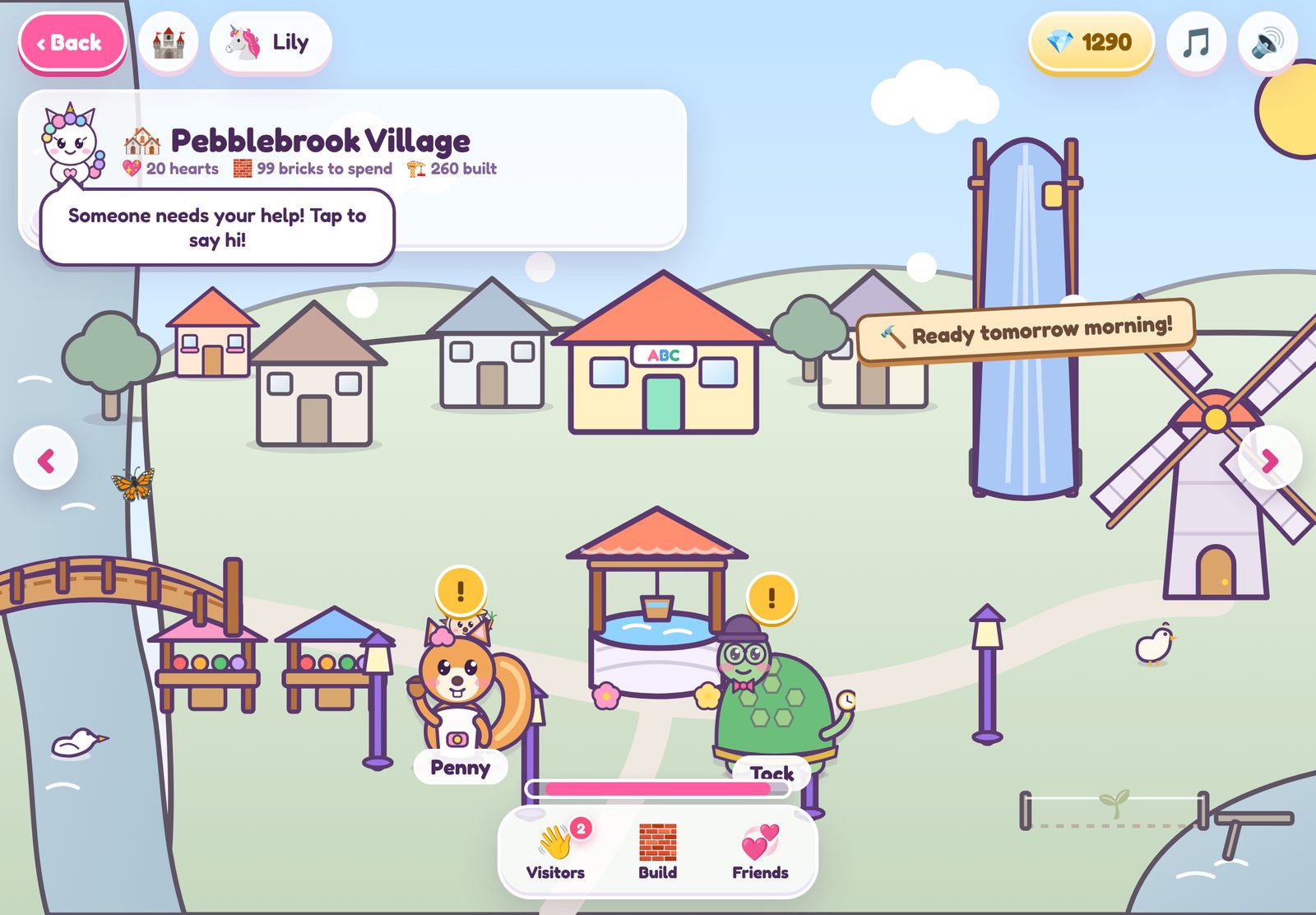
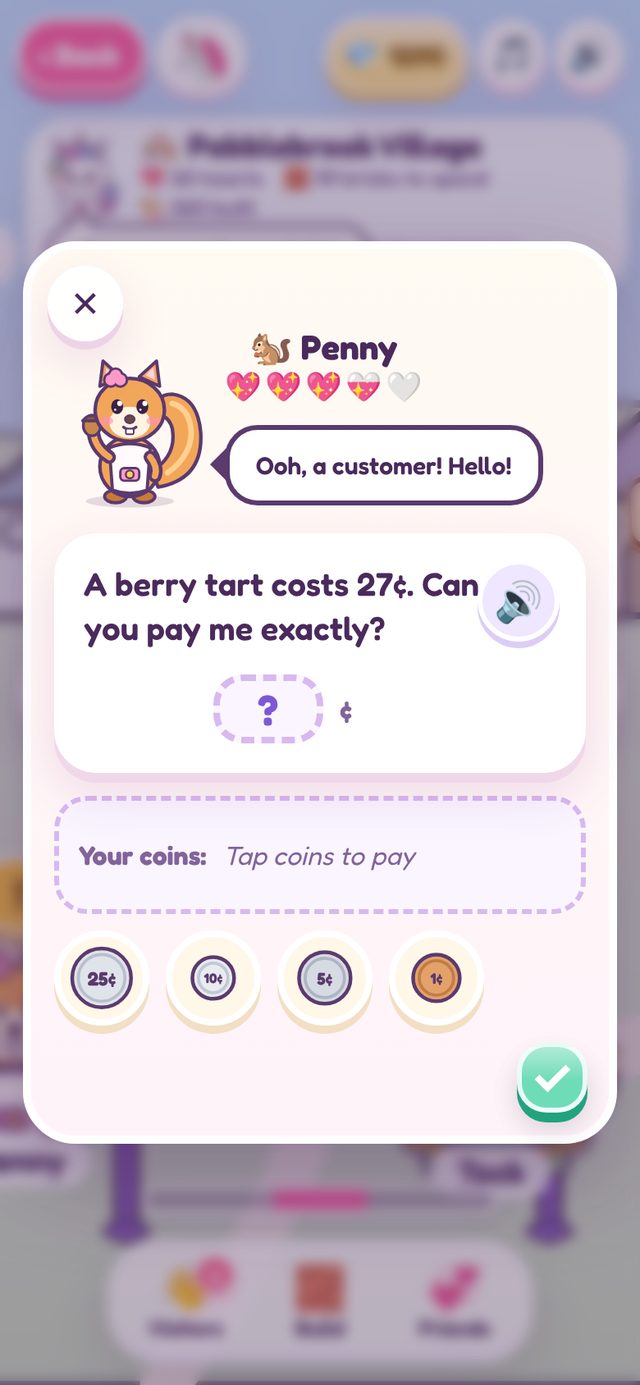
What is the Village?
A place across the water from your child's palace or town where neighbors bring real-world problems: making change, reading a clock, measuring a plank, sharing a recipe. The problems follow your child's grade and level, and solving them earns friendship hearts. The gems kids earn from practice buy bricks to rebuild the village, so their practice builds something they can see. It opens after a child's first couple of rounds.